
Strands of Time
The project is about the human need for meaning. I don't believe certain dates–midsummer, Samhain, Beltane–hold any inherent power, but making photographs only on those days makes meaning anyway.
I use Polaroid cameras and shoot only on significant dates; equinoxes/soltices and the half-days in between. The Polaroids are "lifted" (floated free of their plastic backing and caught on another substrate); a process that is slow, unpredictable and strangely beautiful.
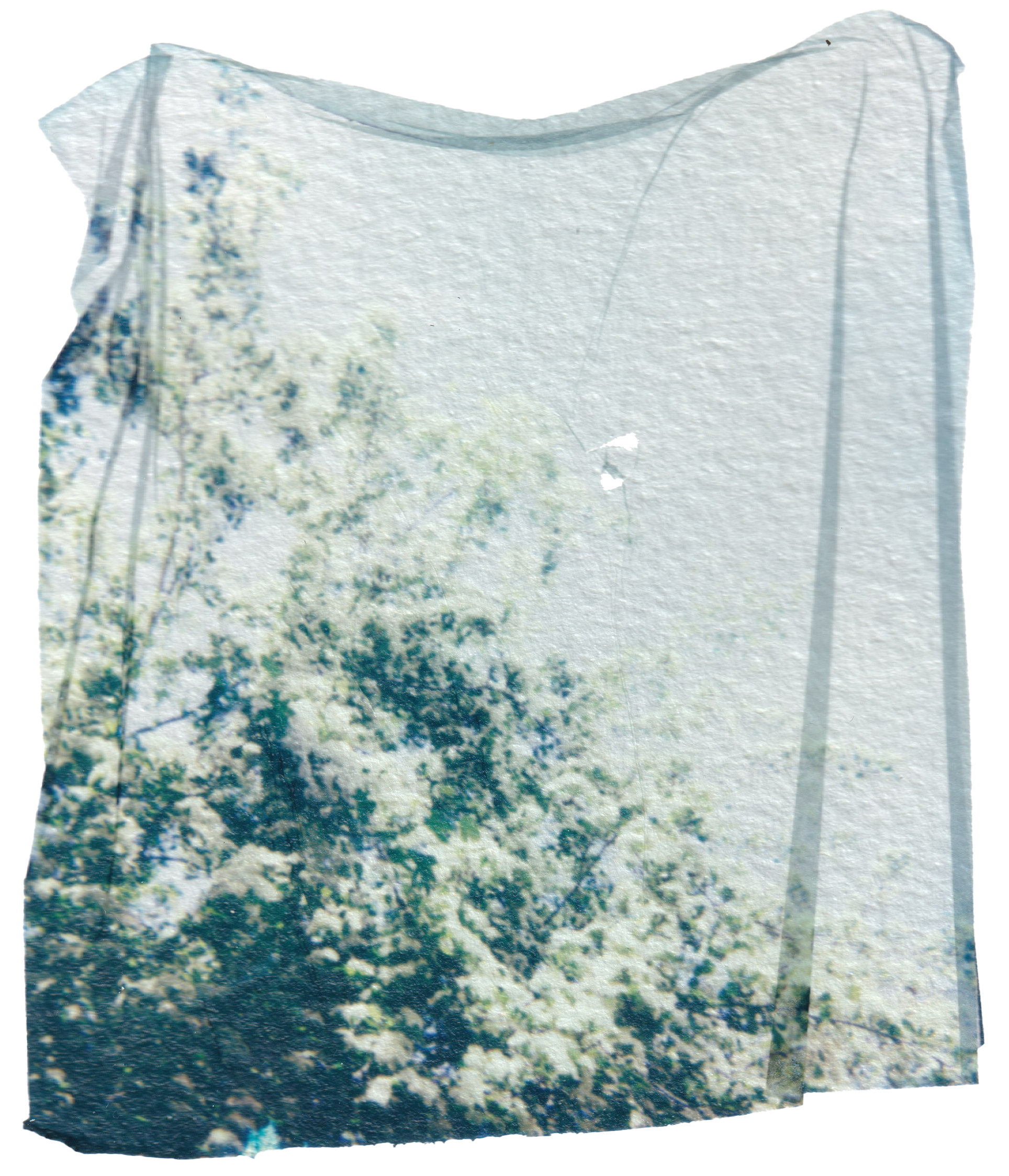
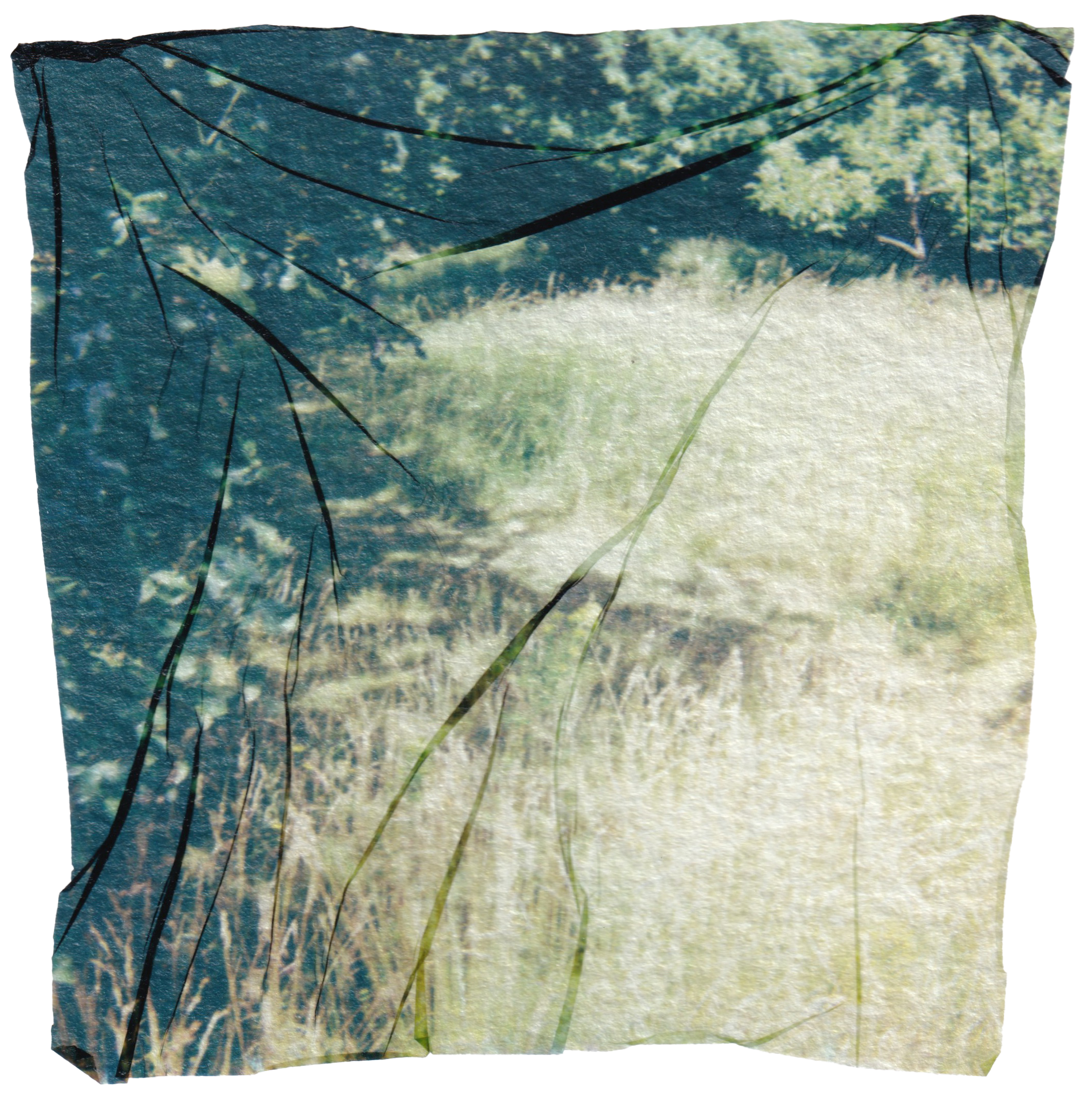
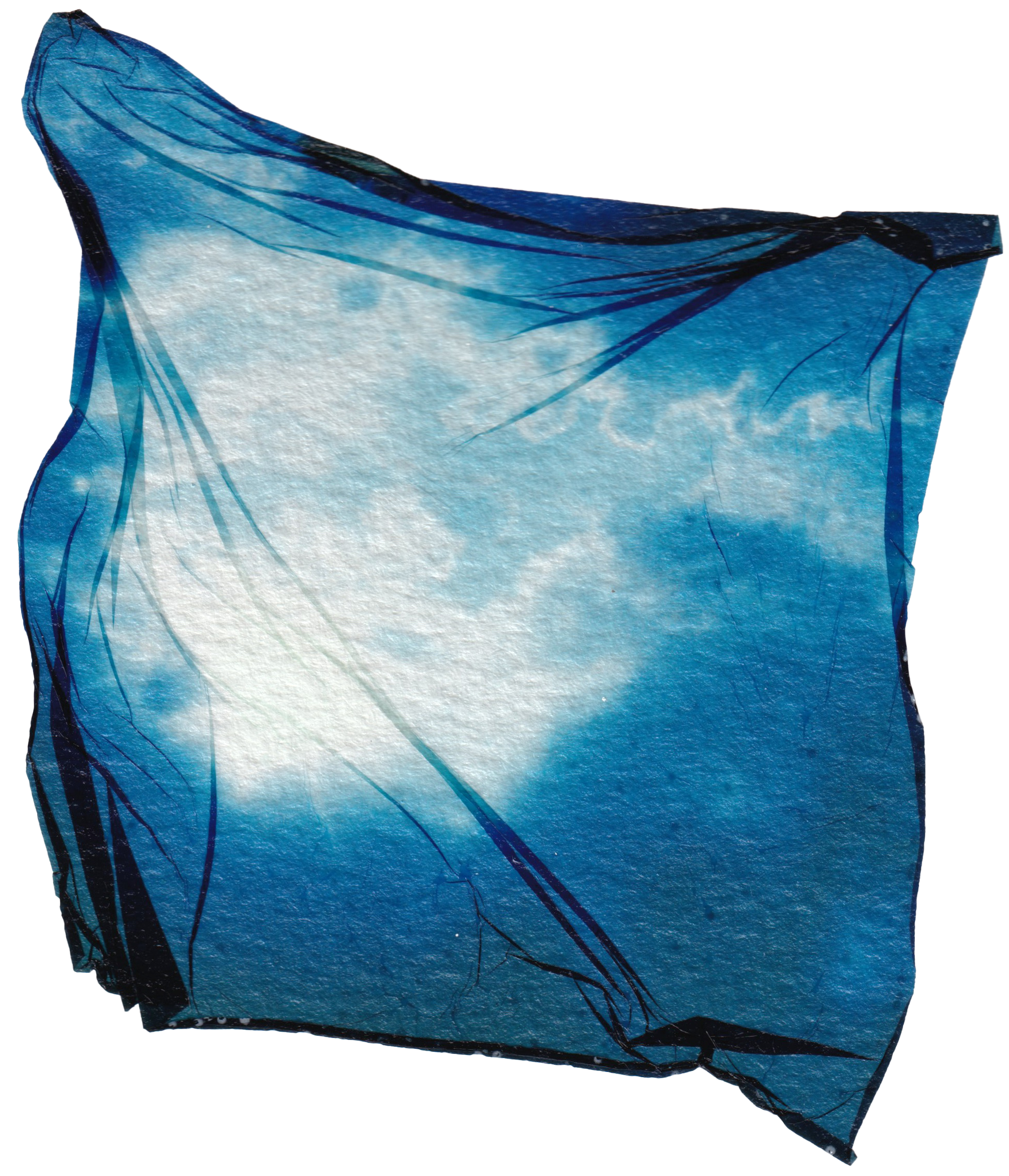
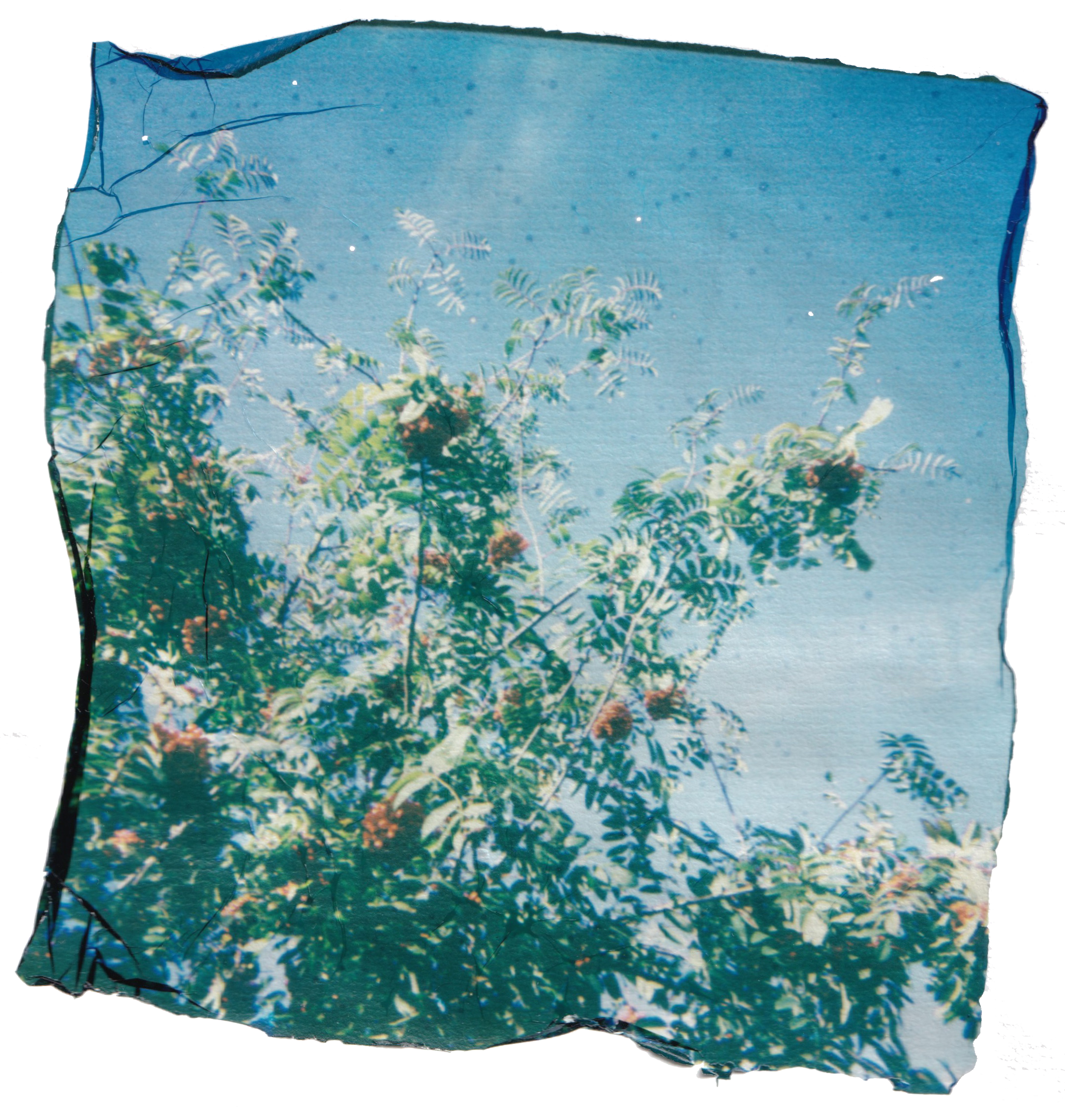
The dates are astronomically real; their meaning is a cultural inscription humans have reliably produced across millennia.
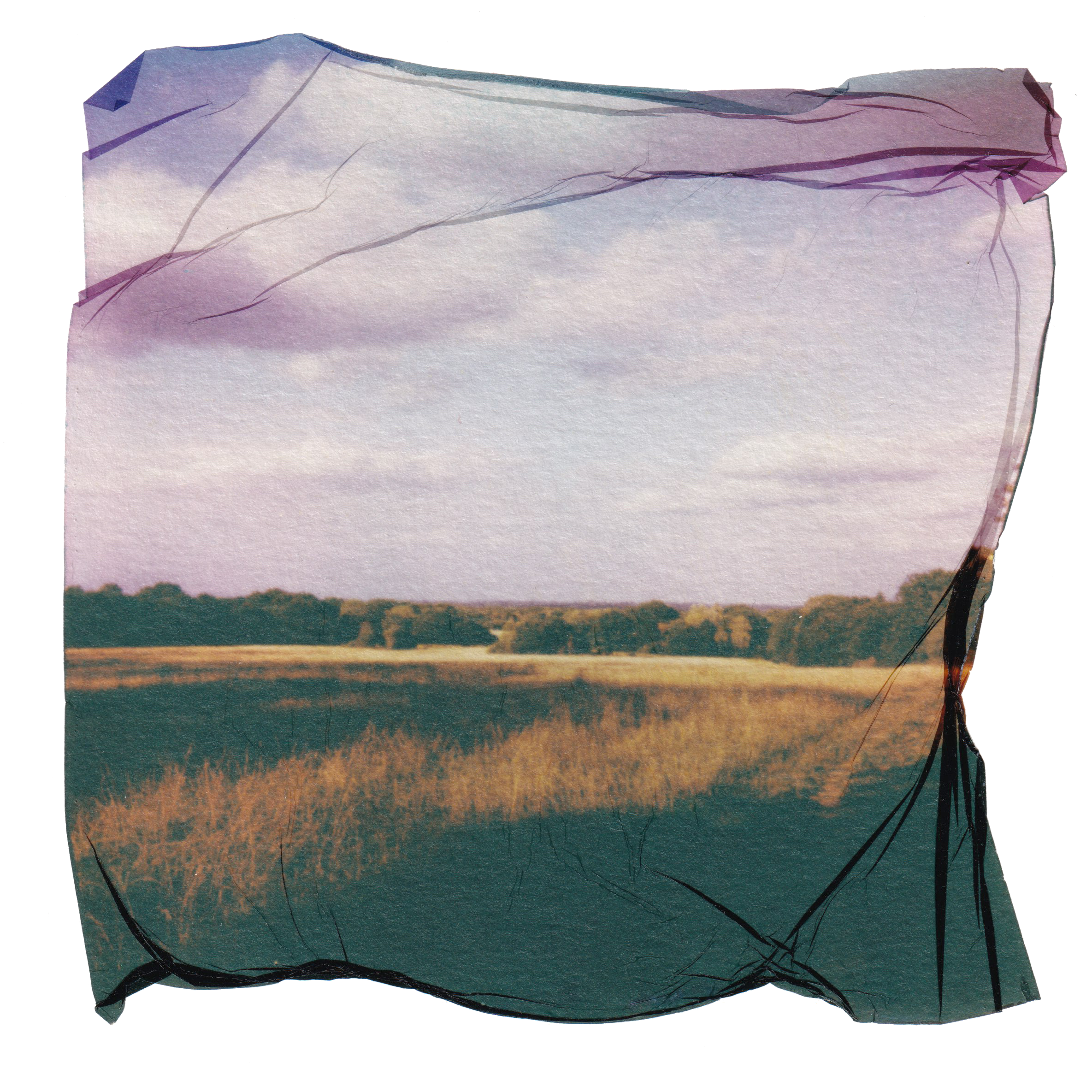
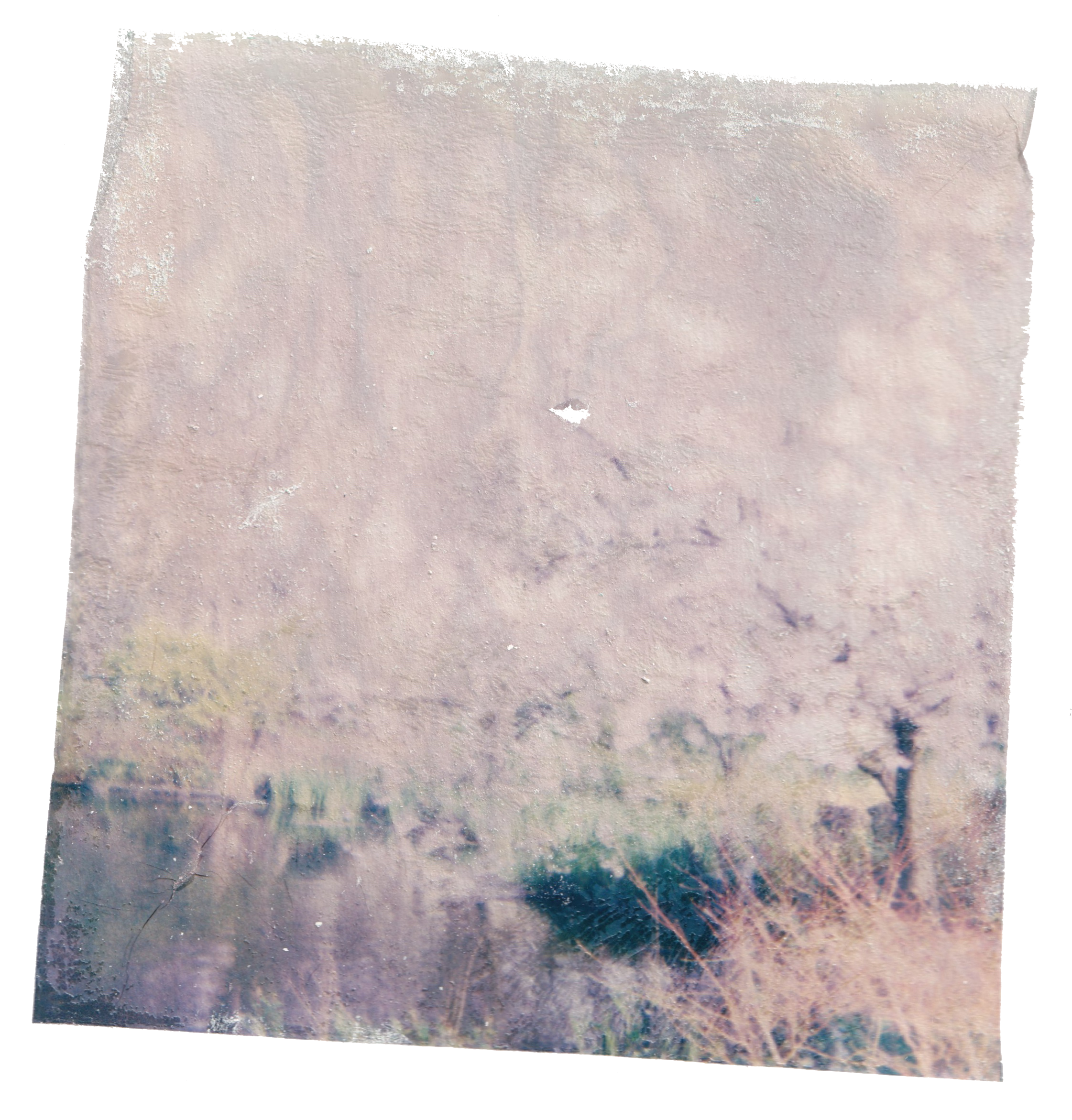
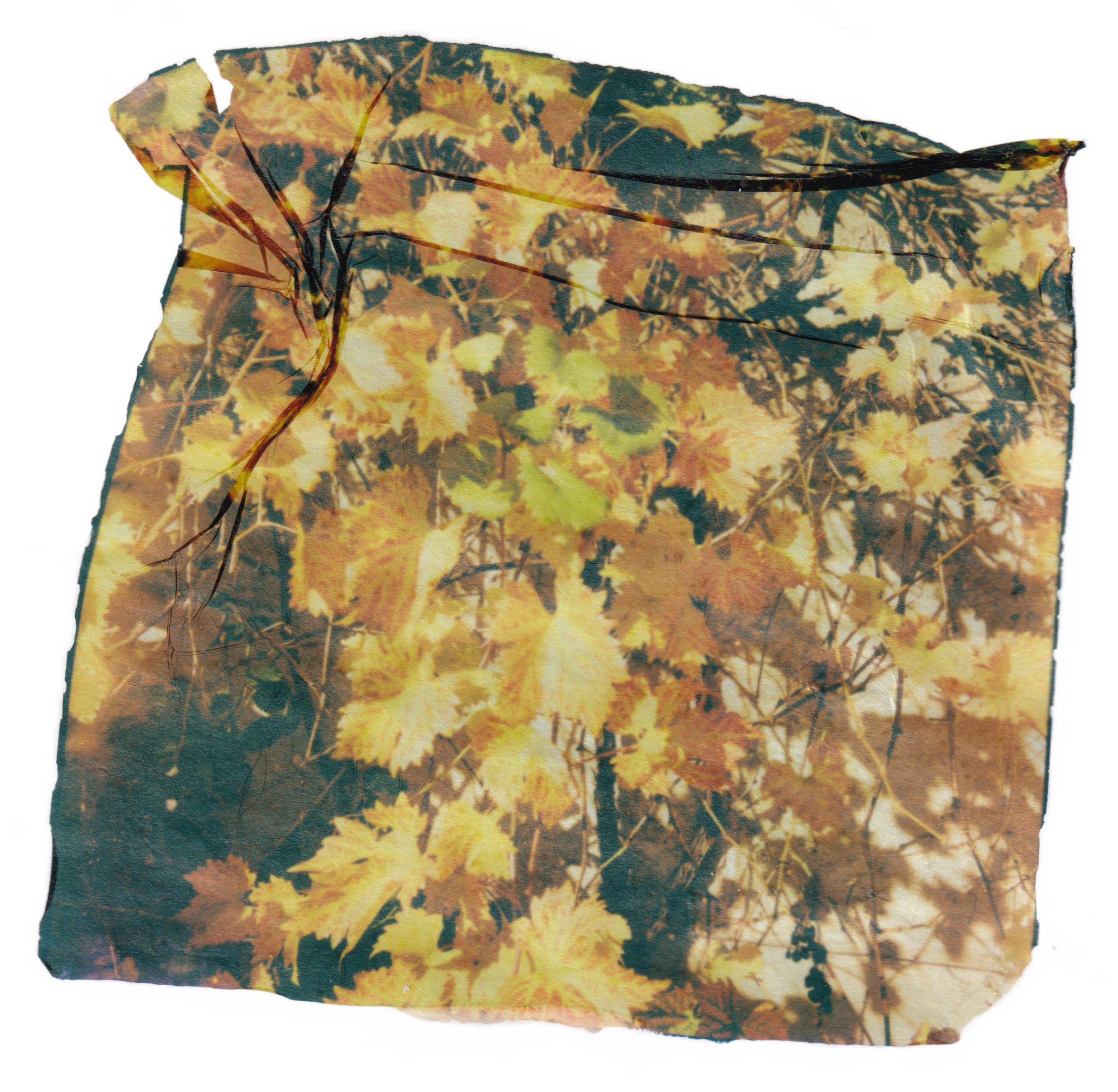
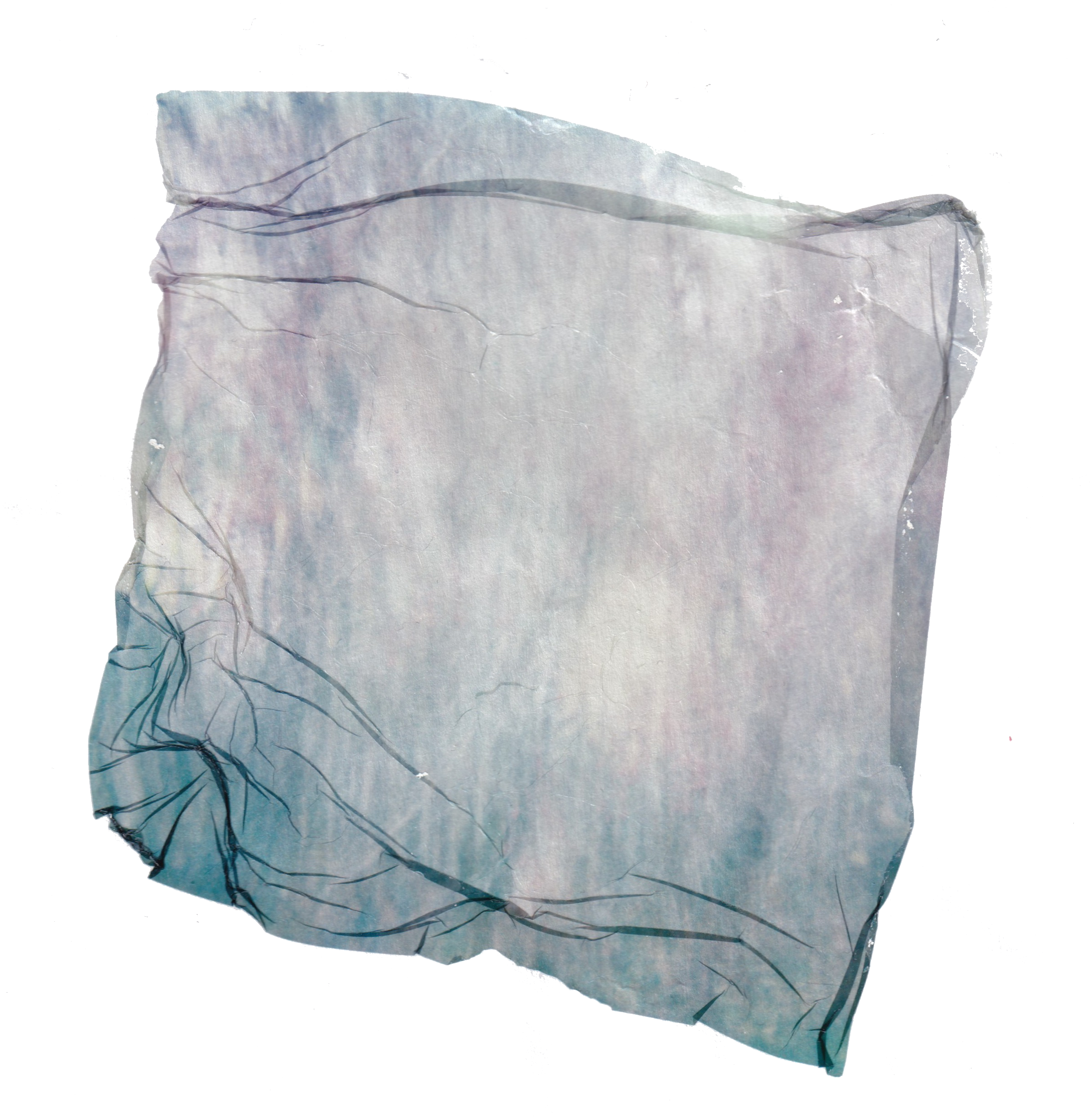
I’ve established that ritual can generate meaning; what I am now investigating now is how ; what are the specific conditions of scarcity, materiality and attention under which meaning arises. And is it universal?
The second strand to this project is place-based indexicality rather than time-bound. If you follow the direction of sunrise on Beltane (May Day) from Norfolk to Cornwall you will follow what Miller & Broadhurst call the St Michael line. It passes through megalithic, numinous, liminal places; axes mundi that purport to connect heaven and earth such as Avebury and Glastonbury.
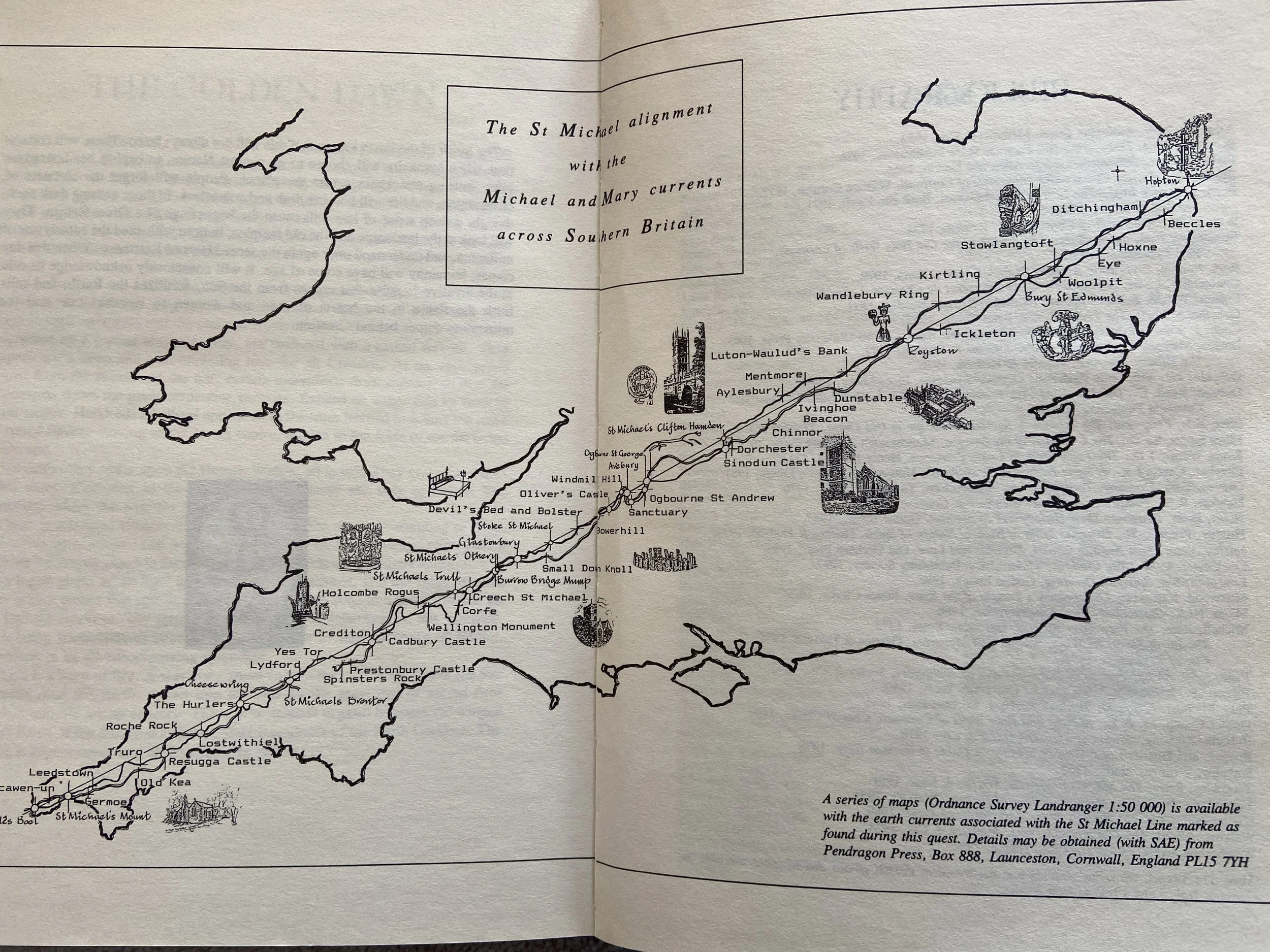
From The Sun and The Serpent, Hamish Miller & Paul Broadhurst
A photograph isn't only a picture of a thing; it is a physical trace of it: light from the subject has touched the emulsion and the emulsion bears that touch as a chemical record. When I make a negative at Avebury, develop it by hand and print it by hand, the final object has been touched by the light of a prehistoric astronomical site, by my chemistry, and by my own body throughout.
“This is meaningful” is my observation. My work in progress is: “Why?”
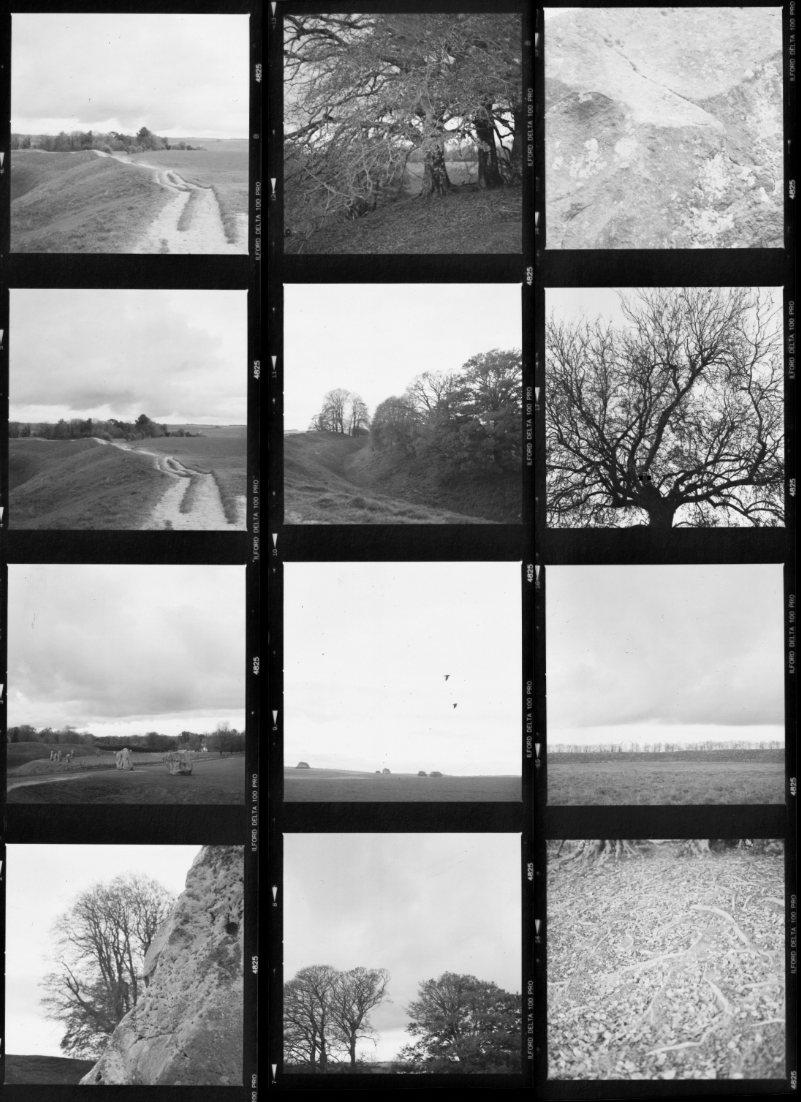
2025 and ongoing